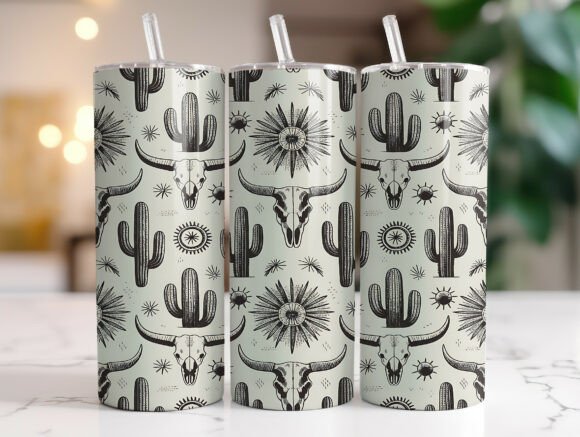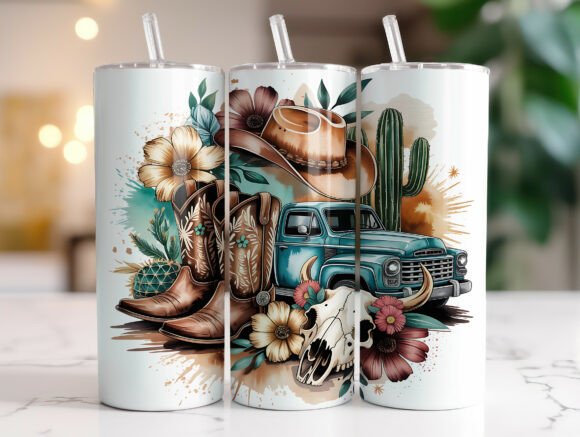
Western Cow Skull Tumbler Wrap Design Review
As an embroidery designer who’s reviewed countless digital files for real-world use, I approach every new design with a mix of curiosity and caution. When I first opened the Western Cow Skull 20oz Tumbler Wrap, I knew it had to pass more than just the visual test—it needed to translate well into stitch form, maintain clarity across various applications, and feel like a natural fit for both personal and commercial embroidery projects.
First Impressions: Bold and Versatile
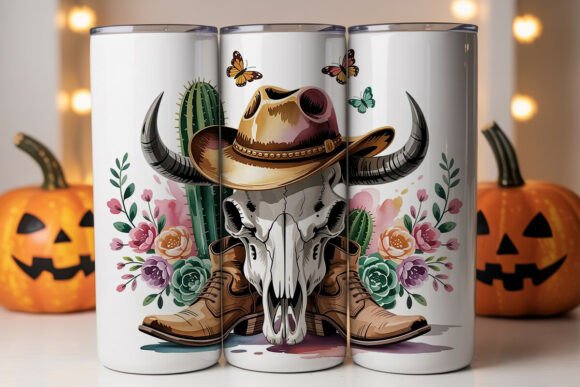
The Western Cow Skull design immediately caught my eye with its striking silhouette and detailed shading. It has a rugged, southwestern vibe that feels right at home in craft shops and boutique collections. The skull is stylized but retains enough realism to stand out—perfect for those looking to add a touch of frontier flair without going overboard.
I appreciated how the layout was clean and centered, making it easy to place on different substrates. The size (9.3” x 8.2”) suggests it's ideal for larger projects, such as tote bags or sweatshirts, where bold imagery can make a statement. However, being a PNG file, I’ll need to convert it to an embroidery format myself, which means considering how each element will translate from pixel art to stitches.
Visual Personality and Project Compatibility
This design naturally belongs to custom apparel and accessories. Think of it as a strong contender for sweatshirt embroidery, especially for fall or winter collections. It could also work beautifully on aprons, pillow covers, or even as a decorative patch for jeans or jackets. The detail level allows for depth when using multiple thread colors, while still keeping the overall shape recognizable if simplified for black-and-white stitching.
For Etsy sellers and handmade product creators, this design offers a unique yet familiar aesthetic that appeals to a broad audience. Whether you're creating personalized gifts or branding items for a craft business, the Western Cow Skull brings a sense of authenticity and character.
Real-World Performance in Embroidery Projects
Let’s break down how this design performs in actual embroidery scenarios. For a tote bag design, the skull’s bold lines and moderate detail would stitch cleanly on woven cotton or canvas, adding a dramatic focal point. On a sweatshirt, especially one made of thicker fabric, the design holds up well and maintains its presence without fading or stretching.
If you’re thinking about using this as an embroidered patch, the file is robust enough to be cut and stitched separately. But keep in mind that intricate areas may require some manual adjustment depending on your machine and settings.
In nursery decor or holiday gifts, the design might not be the best fit unless paired with softer elements. Its edgy appearance works better for adult-oriented products like western-themed clothing or rustic home décor. As a commercial embroidery asset, it's versatile enough to adapt to multiple markets, including outdoor gear, coffee shop merchandise, and themed apparel lines.
When applied to a pillow cover, the skull becomes a conversation piece. The high-resolution 300 DPI ensures that printed mockups look sharp and professional, which is essential for printable mockups used in marketing or listing photos. If you're an apparel decorator, consider how it complements other graphics or text in a cohesive design system.
Where Caution Is Needed
While the Western Cow Skull 20oz Tumbler Wrap is visually compelling, there are a few situations where it requires careful handling:
- Small hoop sizes: The design is fairly large, so scaling it down too much could lose important details.
- Textured fabrics: Stiff textures like denim or flannel might cause stitch distortion, particularly in the finer shaded areas.
- Thin or stretchy fabric: These materials may struggle with dense stitch areas, leading to puckering or stretching.
- Dark fabric backgrounds: Thread contrast matters. You’ll want to test whether the chosen thread colors pop against darker bases.
- Curved surfaces: Hats, caps, or anything with a dome-like shape won’t suit this design well unless you manually adjust the layout for curvature.
- Detailed corners and edges: The skull’s angular features may need extra attention during digitization to ensure they remain crisp after stitching.
- Frequent washing: If you're planning to use this on garments like baby clothes or kitchen towels, consider the durability of the stitch types used.
Thread Color and Stitch Type Considerations
Since the design includes gradients and shadows, it likely uses a combination of fill stitch and running stitch techniques. This gives dimension but also increases stitch density. If you’re working with a budget-friendly machine, you might want to simplify the inner layers to avoid overloading the needle or causing tension issues.
For a more modern look, try converting it into an applique design with satin stitch outlines. This approach reduces stitch count and makes it easier to apply on delicate or stretchy fabrics. Just remember to inspect the small details—like the texture of the skull and the eyes—for clarity after conversion.
Design Impact and Customer Perception
Using the Western Cow Skull in your handmade product lineup can significantly boost visual appeal. Customers respond to designs that tell a story or evoke a feeling, and this one definitely does. The strong silhouette and thematic elements suggest a connection to nature, adventure, or cowboy culture, depending on how you frame it.
In terms of product value, this design adds a premium feel to otherwise simple items. A plain white tote with the skull wrap becomes a standout piece in any small shop product catalog. It enhances brand consistency when used in line with other western motifs or earthy tones.
As a personalized gift, the skull can be paired with names or dates to create a memorable holiday or wedding gift. Its professional presentation elevates the perceived quality of the finished product, increasing customer trust and encouraging repeat purchases.
But don’t overlook the importance of buyer engagement. Make sure the design aligns with your target audience’s preferences. If your craft business caters to families, you might pair it with a more whimsical version for kids. For adult-oriented Etsy listings, the current style works perfectly.
Practical Tips for Embroidery Designers
- Test on scrap fabric first: Especially if you plan to scale it or change thread colors.
- Check thread color contrast: Ensure the design remains visible on the intended background fabric.
- Review stitch density: Adjust fill or satin stitches if you notice potential puckering or over-stitching.
- Confirm hoop size: Since exact dimensions aren’t provided, verify that your hoop can accommodate the full design.
- Inspect small details: Look closely at the teeth, eye sockets, and jawline before finalizing the placement.
- Use proper stabilizer: Especially important for thin or stretchy materials where the design may pull under tension.
- Consider black and white mockups: To see how the design functions without color variations.
- Compare light and dark backgrounds: Helps determine if the thread palette needs tweaking.
- Ensure licensing compliance: Always confirm you can use the design in commercial products before selling them.
Final Thoughts for Creative Entrepreneurs
After thoroughly evaluating the Western Cow Skull 20oz Tumbler Wrap, I’m confident it’s a solid addition to your design assets library. It brings a bold visual personality and fits well into a range of embroidery projects, from custom sweatshirts to branded tumbler wraps.
However, success with this design hinges on thoughtful preparation. From adjusting stitch types for fabric compatibility to ensuring thread contrast and licensing rights, the devil is truly in the details. Treat it like any high-quality machine embroidery design—with respect and precision—and it will deliver results worth showing off in your next handmade product or digital product preview.
If you're an embroidery project enthusiast or a creative entrepreneur building a niche brand, this is one design that stands out. Just take the time to test, tweak, and tailor it to your specific needs. That way, you’ll turn a printable graphic into a meaningful part of your finished product collection.