Texas Y all Southern Humor Western Pride Review
As a designer who spends more time staring at stitch density charts and fabric swatches than I care to admit, I approach every new digital asset with a healthy dose of skepticism. The market is flooded with generic clip art masquerading as professional embroidery files, so when I encountered the Texas Y all Southern Humor Western Pride design, I decided to put it through its paces before recommending it to my network of craft business owners and hobbyists. This isn't just about whether the file opens correctly; it is about how the design translates from a screen into a tangible, high-quality finished product that customers will actually wear or display.
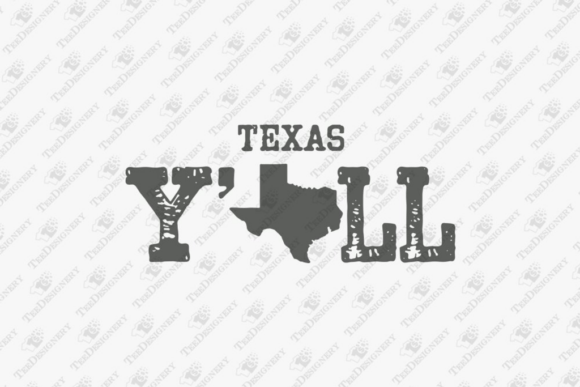
The initial visual impact of this piece is immediate. It captures a very specific regional mood—unapologetic, warm, and distinctly Texan. For small shop owners and Etsy sellers looking to tap into the massive market for state pride merchandise, this graphic offers a strong narrative hook. However, because the source material is categorized under T-Shirt Designs and Graphics, and explicitly noted as a sublimation-only file in SVG and PNG formats, the transition to machine embroidery requires careful planning. My review focuses on how you can adapt this concept for real-world embroidery projects, ensuring your handmade products stand out for the right reasons.
Visual Personality and Project Fit
The first thing I noticed about Texas Y all Southern Humor Western Pride is its layout. It possesses a bold, centered composition that screams "statement piece." In my experience, designs with this kind of visual weight work exceptionally well on sweatshirt embroidery, tote bag design applications, and large chest placements on custom apparel. The humor inherent in the text suggests a casual, fun vibe, making it less suitable for formal wear but perfect for everyday carry items.
I envision this design thriving on heavy cotton canvas totes or durable aprons used by BBQ enthusiasts. The theme lends itself naturally to kitchen towel embroidery or even pillow covers for a rustic-themed nursery decor project. When I look at the negative space implied by the typography, I see opportunities for creative stitching techniques. If you are converting this into an applique design, the clean lines of the original graphic would allow for sharp satin stitch edges that define the letters clearly against a contrasting fabric background.
For holiday embroidery, particularly around Fourth of July or Texas Independence Day, this design hits the cultural sweet spot. It feels like a personalized gift that a customer would proudly show off, which is exactly what drives engagement for digital product sellers and boutique branding efforts. The visual personality is confident without being aggressive, striking a balance that appeals to a broad demographic of makers and end-users alike.
Technical Execution and Stitching Considerations
Since this originates as a graphic intended for sublimation, translating it into a machine embroidery design means you must make intentional choices about stitch types. You cannot simply digitize the vector lines blindly. To achieve a professional finish, you need to break down the design into logical components. The main text likely benefits from a dense fill stitch to ensure opacity, especially if you are using dark thread on light fabric. However, be wary of excessive stitch density, which can cause puckering on thinner materials.
If you are adding decorative accents or borders to enhance the western pride theme, consider using running stitch for a lighter, more textured feel. This contrasts nicely with the heavier fill stitches, adding depth to the final product. When selecting thread colors, contrast is king. A classic white-on-navy or cream-on-black combination will make the design pop, whereas low-contrast threads might get lost in the fabric texture, reducing the overall visual appeal and perceived value of the item.
Stabilizer selection is non-negotiable here. Because the design likely has a substantial footprint, a cut-away stabilizer is recommended for garments like caps or hats where the fabric needs long-term support to prevent distortion. For stable fabrics like denim or canvas, a tear-away might suffice, but always test on scrap fabric first. This step saves you from ruining expensive inventory and helps you refine your hoop size selection to avoid cutting off any critical details.
Where to Use (and Where to Pause)
While this design is versatile, it is not a one-size-fits-all solution. There are specific scenarios where Texas Y all Southern Humor Western Pride should be used carefully. Small hoop sizes are generally ill-advised unless you are willing to crop the design significantly, which may ruin the composition. Similarly, textured fabrics like bouclé or thick wools can obscure fine details, making the lettering hard to read and diminishing the handmade presentation quality.
Stretchy fabrics pose another challenge. Without proper stabilization, the tension from the stitches can warp the garment, leading to a distorted finished product that customers may return. Curved surfaces, such as the front panel of a baseball cap, require precise hooping and possibly redesigning the layout to follow the curve. Flat surfaces like tote bags or flat-knit baby clothes offer a much safer canvas for this type of bold graphic.
Avoid placing this design on items that require frequent, harsh washing, such as athletic wear, unless you use high-quality, colorfast threads. Over time, friction can cause the stitches to fray or lose their luster, affecting customer trust in your brand. Additionally, if the original graphic contains tiny lettering or intricate corners, these areas are prone to needle breaks or thread tangles. Inspect the details closely; if they are too small, simplify them during the digitization process to ensure clarity.
Business Implications and Final Verdict
From a commercial standpoint, this design has strong potential for craft business owners. It aligns perfectly with current trends in personalized gifts and regional pride merchandise. When presented correctly, perhaps paired with a high-quality printable mockup showing the design on a premium sweatshirt or tote, it can drive significant buyer engagement. The key is professionalism: ensure your embroidery project looks polished, with no loose threads or misalignments.
Before listing this as a digital embroidery file or using it for commercial embroidery projects, confirm licensing terms. Many graphic assets have restrictions on resale, so verifying that you have the right to sell finished products made from this design is crucial for protecting your small shop product line. Furthermore, always compare light and dark fabric backgrounds during your testing phase to ensure the design maintains its integrity across different colorways.
In conclusion, Texas Y all Southern Humor Western Pride is a robust design concept that, when adapted thoughtfully for machine embroidery, can elevate your handmade product offerings. It works best on sturdy fabrics, benefits from clear stitch definitions, and resonates strongly with customers seeking authentic, region-specific expression. By paying attention to stitch density, stabilizer choice, and thread contrast, you can transform this graphic into a standout item that reflects well on your brand and satisfies your clients. Whether you are creating a single custom apparel piece for a friend or mass-producing embroidered patches for an Etsy seller audience, this design offers a solid foundation for success.