Western Coquette Bow 20oz Tumbler Wrap Review
As an embroidery designer with years of experience in custom apparel, handmade products, and digital design assets, I always take a moment to evaluate any new embroidery file before using it on a real project. The Western Coquette Bow 20oz Tumbler Wrap caught my attention not just for its visual charm but also for how well it could translate into a variety of stitchable formats. While it's marketed as a tumbler wrap graphic, I found myself imagining it stitched onto soft goods—like tote bags or sweatshirts—before even opening the PNG files.
First Impressions: A Playful Yet Sophisticated Western Vibe
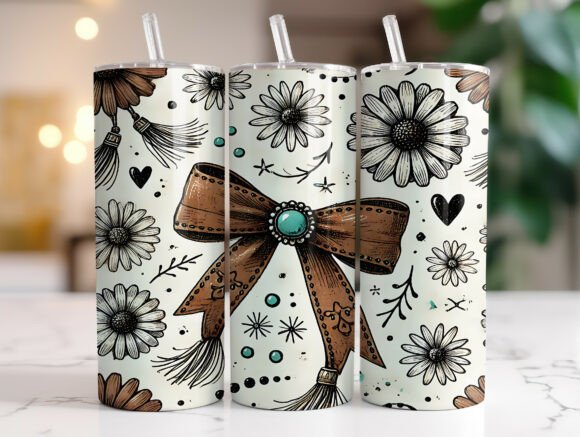
The Western Coquette Bow brings a fresh blend of classic cowboy elements and feminine flair. The bow is large enough to make a statement but retains a delicate balance that prevents it from feeling over-the-top. It’s rendered in a high-resolution PNG at 300 DPI, which means the lines are crisp and the layers are clean—important for when you’re converting this into a machine embroidery design.
I noticed right away that the design has a clear focal point, which is great for directing the viewer’s eye. The use of negative space is thoughtful, allowing for flexibility in placement and background choices. The overall mood is playful yet elegant—perfect for a boutique-style product or a personalized gift aimed at someone who loves western fashion with a modern twist.
Real-Life Embroidery Use Cases
This design fits naturally into several categories of embroidery projects:
- Tote bag designs – The size and resolution work well for a front-facing embroidered bow on a canvas or cotton tote.
- Sweatshirt embroidery – Especially on the front upper chest area, where it can add a touch of style without overwhelming the garment.
- Baby items – With minor scaling, the bow could be adapted into a sweet embellishment for baby hats or bibs.
- Embroidered patches – As an applique-style patch, it would look fantastic on denim jackets or jeans.
- Pillow covers and nursery decor – The graphic nature of the design makes it ideal for decorative stitching on home textiles.
- Holiday gifts – For Christmas stockings or personalized ornaments, the bow adds a festive, western-coquette edge.
- Commercial embroidery – If used as part of a cohesive branding package for a small shop or Etsy listing, it brings a polished, recognizable look.
What stands out is how adaptable the Western Coquette Bow feels. Whether you're looking to create a handmade product or something more commercial, there's a version of this design that could work. The tapered and straight versions provide options for different placements and fabric types, giving designers room to tailor the application to their specific needs.
Where to Use with Care
While the design is visually appealing, there are some scenarios where extra consideration is needed:
- Small hoop sizes: At 9.3” x 8.2”, the full design won’t fit into smaller hoops without significant resizing, which may affect detail clarity.
- Textured fabrics: The fine lines might get lost if stitched on rougher materials like flannel or felt unless proper stabilizer is used.
- Stretchy or thin fabric: Without adjusting stitch density, the design could pucker or distort, especially around the curved parts of the bow.
- Dark fabric backgrounds: Thread color contrast becomes essential here. The default colors provided may not pop as well on darker tones, so consider alternatives.
- Curved surfaces: The flat layout of the PNG means the design must be restructured for curved embroidery, which takes time and skill.
- Frequent washing: Dense areas may benefit from reinforcement or a heavier stabilizer to prevent fraying or loosening over time.
In short, while the Western Coquette Bow is versatile, it's not one-size-fits-all. As a professional, I always recommend testing it first on scrap fabric to see how it behaves under your machine settings and material conditions.
Design Impact on Product Value and Customer Appeal
One of the things I love about this design is how it enhances the visual appeal of a finished product. The bow looks hand-drawn yet precise, making it feel both artisanal and professional. This duality is key for craft business owners aiming to build trust through quality and uniqueness.
When applied correctly, the Western Coquette Bow can significantly elevate the presentation of a personalized gift. Think of a custom sweatshirt for a daughter who adores western themes, or a tote bag for a bridal shower that doubles as a stylish accessory. The design’s personality helps the product stand out, especially in competitive markets like Etsy or craft fairs.
For Etsy sellers and small shop product creators, consistency is everything. Using this design across multiple items—like aprons, tea towels, or cap embellishments—can help establish a brand identity that customers recognize and return to. The same goes for commercial embroidery—if you're building a line of western-themed merchandise, this design offers a strong starting point for visual cohesion.
Practical Design Notes for Embroidery Artists
Here are some tips based on my experience working with similar graphics-turned-embroidery:
- Test on scrap fabric – Always do a test run to assess how the design holds up with your machine, thread, and stabilizer choices.
- Check thread color contrast – If using light-colored threads on a dark fabric, you may need to adjust or choose alternative colors.
- Review stitch density – Especially in the center of the bow, dense fill stitches might require a backing or interfacing to avoid puckering.
- Confirm hoop size – Since the design is larger than average, ensure your hoop can accommodate the full size without compromising stitch integrity.
- Inspect small details – Look closely at the bow’s edges and inner curves; these can become tricky when translating to a digital embroidery file.
- Use black-and-white mockups – Before purchasing the design, overlay it on grayscale images of potential fabrics to visualize how it will look post-stitching.
- Compare light and dark backgrounds – The way the design interacts with fabric tone is crucial for final presentation and buyer engagement.
- Use proper stabilizer – Especially on stretchy or delicate materials, the right stabilizer ensures the design stays intact after multiple washes.
- Confirm licensing – If planning to sell the finished item or use it in commercial design assets, double-check the terms to ensure you're allowed to do so.
Final Thoughts: A Versatile Addition to Your Embroidery Toolkit
The Western Coquette Bow 20oz Tumbler Wrap isn't just another pretty graphic—it’s a practical design that can breathe life into a wide range of embroidery projects. From casual tote bags to boutique-style sweatshirts, it has the visual presence to enhance your offerings and boost customer interest.
That said, don’t underestimate the importance of preparation. As an experienced embroiderer, I know how easy it is to overlook fabric behavior or stitch tension, especially when working with a digital embroidery file. Taking the time to adapt and test the design ensures that your handmade product doesn’t just look good but lasts long too.
If you're in the market for a design that combines whimsy with professionalism, the Western Coquette Bow is worth considering. Just remember to treat it like any other machine embroidery design—with care, creativity, and a bit of trial and error.