Bearded Man in Green Cowboy Hat – A Versatile Embroidery Design
As an experienced designer and embroidery product reviewer, I always look for a balance between visual appeal and practical application when evaluating new designs. The Bearded Man Wearing Green Cowboy Hat and is one of those illustrations that immediately caught my eye—not just for its aesthetic charm but for how it could function well in real-world embroidery projects.
First Impressions: Mood and Visual Personality
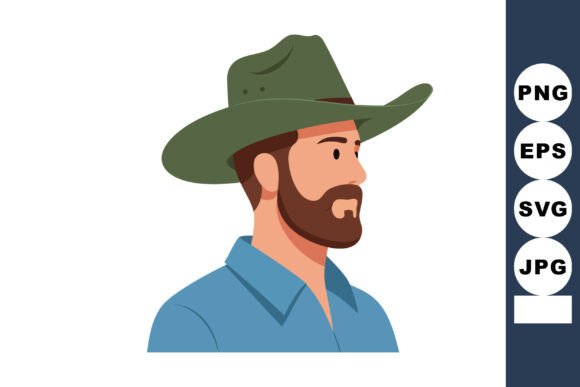
The illustration features a bearded man in a green cowboy hat and blue shirt, viewed from the side against a neutral background. It conveys a calm, approachable mood with a touch of rugged individuality. The pose is relaxed, and the details are clean but not overly intricate. This design feels like it could belong to a Western-themed collection or a modern, minimalist line of apparel and accessories.
What stands out is the simplicity of the layout. The profile view allows for easy placement on curved surfaces like caps or sleeves, while the neutral background ensures the design won’t clash with fabric colors or patterns. The facial expression adds personality without being too dramatic—perfect for a design that needs to feel authentic yet subtle.
Design Details That Matter
When you open the digital files (which include SVG, EPS, JPG, and PNG), you’ll notice the clean lines and minimal shading. This is great news for embroidery work because it means the design translates well into stitch types like satin stitch for outlines and fill stitch for solid areas. The beard and hat have enough texture to stand out but aren’t so detailed that they risk distortion during stitching.
One thing I appreciate about this machine embroidery design is that it’s scalable. You can adjust the size to fit different products—from a small embroidered patch to a large tote bag graphic. However, scaling down requires careful attention to detail, especially in the facial features and hat brim.
Real-World Use: What Works Best
I recently considered using Bearded Man Wearing Green Cowboy Hat and for a custom sweatshirt order. The client wanted something unique but not too flashy for their boutique. The design worked beautifully on a light-colored cotton sweatshirt, where the green hat popped against the blue shirt area. But more importantly, it maintained clarity and shape after stitching, which is essential for customer satisfaction.
- Tote Bags: The design fits well on larger tote bags, especially when placed centrally. Its profile makes it directional, so I’d suggest adding text or a logo either above or below to create a balanced composition.
- Sweatshirts & T-Shirts: Ideal for front or back placement on both men's and women's styles. The green hat works well with most thread palettes, especially if you want a vintage or Americana vibe.
- Patches and Caps: Because it’s a side profile, it’s perfect for embroidered patches or as a graphic on a cap. Just make sure the hoop size accommodates the full width of the face and hat.
- Boutique Merchandise: For small shop products like aprons or pillow covers, this design brings a sense of character and style. It looks great paired with simple typography or other flat-style graphics.
- Digital Mockups: As an Etsy seller or digital product creator, the included PNG and JPG files make it easy to show your customers what the final product might look like. The clean edges help mockups appear professional and realistic.
Where to Use With Caution
While versatile, there are certain scenarios where this design might need extra care or even rethinking before use:
- Small Hoop Sizes: If you're working with tight space constraints, like a baby item or tiny patch, the beard and hat may become distorted unless carefully adjusted.
- Textured or Stretchy Fabrics: On materials like denim, canvas, or stretchy knits, stitch density and tension will play a big role in how the design holds up. Too much tension can warp the fabric; too little and the stitches may pucker.
- Dark Fabric Backgrounds: The green hat might lose contrast on darker fabrics. Testing with thread color variations is key here. Maybe consider a white underlay or a slightly lighter green shade.
- Products Needing Frequent Washing: Dense stitch areas could lead to wear over time, especially if the fabric is thin or the design is placed on a high-motion part of clothing like the sleeve.
- Curved Surfaces: While the side profile helps, the design still needs to be properly aligned to avoid stretching or misplacement on curved items like caps or curved sections of garments.
Thread Color Suggestions
Since the downloadable package doesn't specify thread colors, I recommend using a palette that complements the original blue and green hues. A classic combination could be royal blue for the shirt and forest green for the hat. Alternatively, try black for the beard and dark brown for the hair to keep the design grounded and realistic. Don’t forget to test these combinations on a scrap piece of fabric first!
Impact on Product Value and Customer Engagement
This kind of design adds character to any handmade product. Whether you're making personalized gifts or branding merchandise for a craft business, the Bearded Man Wearing Green Cowboy Hat and has a strong visual presence. It can elevate a basic tote into a meaningful keepsake or transform a plain apron into a standout piece at a local craft fair.
Customer trust often hinges on presentation quality. A well-executed embroidered patch or a neatly stitched sweatshirt embroidery can speak volumes about your professionalism. This design, with its clear shapes and consistent form, supports that by looking intentional and polished on the finished product.
For holiday or seasonal embroidery, the design could easily be adapted with festive accents—think snowflakes around the hat or a small gift box nearby. The neutral background makes it flexible for such additions without feeling cluttered.
Designer Notes: Stitch Test and Setup Tips
Before committing to a production run or selling the design as part of your craft business, take some time to test it thoroughly:
- Test on Scrap Fabric: Especially if you're using it on something like a baby item or kitchen towel, see how the design reacts to washing and handling.
- Review Stitch Density: High-density fills may require a stronger stabilizer. Low-density areas, like the outline of the hat, should be checked for stitch integrity.
- Confirm Hoop Size: If you're unsure, err on the side of a larger hoop. Distortion is easier to avoid than fix after stitching.
- Inspect Small Details: Facial features like the eyes and nose are delicate. Make sure your machine can handle fine stitch runs without skipping.
- Mockup Comparison: Try rendering the design in black and white to see how it performs on grayscale fabrics. Also compare it on both light and dark backgrounds to ensure visibility.
- Licensing Check: Always verify whether the design is suitable for commercial use or resale, especially if you plan to sell finished products or offer digital embroidery files for download.
Final Thoughts on Bearded Man Wearing Green Cowboy Hat and
In summary, Bearded Man Wearing Green Cowboy Hat and is a strong candidate for a variety of embroidery projects. It blends personality and practicality, making it ideal for both personal customization and small business branding. From handmade products to commercial embroidery, this illustration brings a touch of authenticity and charm.
However, its success depends on thoughtful setup and testing. Pay attention to stabilizer type, thread color contrast, and stitch density to ensure it maintains its visual appeal after stitching. When used correctly, this design can enhance your product value, improve brand recognition, and increase buyer engagement, especially in niche markets like Western-themed décor or artisanal apparel.
Whether you’re an Etsy seller, a small shop product creator, or a hobbyist crafting personalized gifts, this embroidery file offers a lot of creative potential. Just remember to treat it like any other design asset—with respect for its strengths and limitations—and it will serve you well in your next project.